
Walk into any supermarket in the U.S. or UK, and you’ll find rows upon rows of colorful, neatly packaged meals, snacks, and drinks. But behind the bright labels and convenient packaging lies a growing health crisis: ultra-processed foods. These are not just unhealthy — they may be silently damaging your body in ways you don’t even realize.
What Are Ultra-Processed Foods?
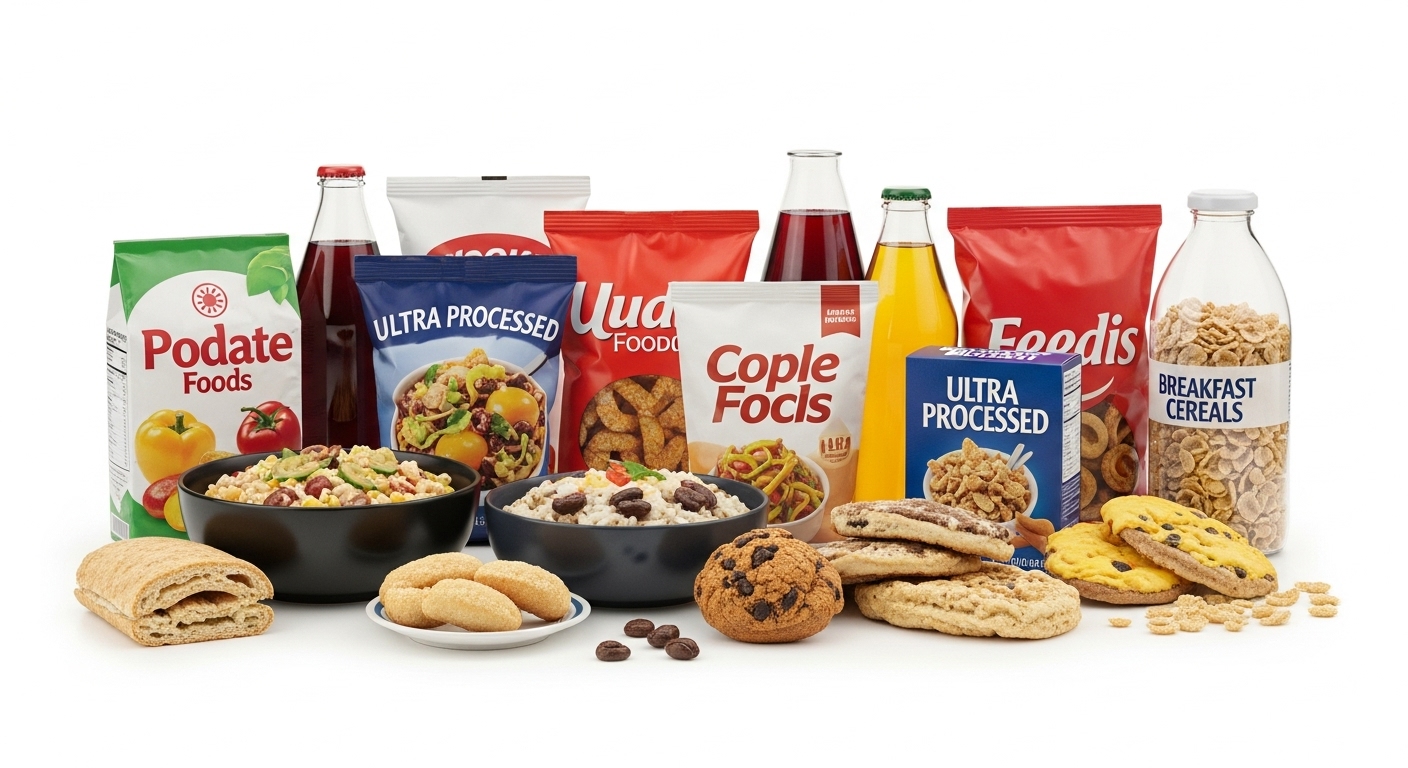
Ultra-processed foods are industrially manufactured products that contain little to no whole food ingredients. They are packed with
-
Artificial flavors and colors
-
Preservatives
-
Added sugars and fats
-
Refined starches
-
Emulsifiers and stabilizers
Common examples include
-
Sugary cereals
-
Frozen pizzas
-
Soda and energy drinks
-
Instant noodles
-
Packaged snacks and cookies
ALSO READ: 10 Everyday Foods That Are Secretly Ruining Your Health (And What to Eat Instead)
The Alarming Rise in the U.S. and UK
TER
According to recent studies:
-
Over 60% of the average American diet now comes from ultra-processed foods.
-
In the UK, the figure is even higher — around 65%.
Why the rise? Convenience, cost, and aggressive marketing. These foods are designed to be addictive and are often cheaper than whole food alternatives.
ALSO CHECK Exposed: Who’s Really Getting the Mastercard Scholarship 2025 — Not What You’d Expect
Hidden Health Risks You Should Know
Many people associate processed foods with weight gain. But the risks go far beyond that. Regular consumption of ultra-processed foods has been linked to:
???? 1. Mental Health Issues
A study in the UK found a strong correlation between ultra-processed food intake and symptoms of depression and anxiety.
❤️ 2. Heart Disease
High levels of sodium, sugar, and unhealthy fats increase the risk of hypertension and heart disease.
???? 3. Type 2 Diabetes
Refined carbs and added sugars can lead to insulin resistance, a key factor in type 2 diabetes.
???? 4. Cancer Risk
In 2018, a French study published in BMJ found that a 10% increase in ultra-processed food intake was associated with a 12% higher risk of cancer.
Why It’s Worse Than You Think
These foods are engineered for taste, not nutrition. They can cause:
-
Overeating by bypassing your body’s natural hunger cues
-
Gut microbiome damage, affecting immunity and mood
-
Addiction-like cravings, making healthy eating harder
And it’s not just adults. Children in the U.S. and UK are being raised on diets high in processed food — leading to early-onset obesity and metabolic issues.
How to Spot and Avoid Ultra-Processed Foods
Here’s a quick rule:
If it has more than 5 ingredients — especially ones you can’t pronounce — it’s probably ultra-processed.
Tips to reduce intake:
-
Shop the outer aisles of the grocery store (fresh produce, dairy, meat)
-
Cook at home using whole ingredients
-
Avoid food products with TV ads —they’re often the worst offenders
-
Read labels. Watch for ingredients like corn syrup, MSG, hydrogenated oils, and preservatives like BHA/BHT.
Healthier Alternatives You Can Trust
Replace ultra-processed foods with:
-
Oats instead of sugary cereals
-
Greek yogurt with berries instead of flavored varieties
-
Fresh fruit instead of candy or snack bars
-
Homemade meals instead of frozen microwave dinners
Final Thoughts
The convenience of ultra-processed foods comes at a hidden cost: your long-term health. While they may save time now, they could take years off your life later. The first step toward better health in the U.S., UK, or anywhere else is simply this — go back to real food.
Be the first to get new scholarships, job updates, inspiring Fazza poems, lifestyle stories, and more — straight to your inbox.