



The Internet Is Exploding Over These 10 Natural Cancer-Support Remedies in the USA, UK & Canada
Introduction to Managing Cancer
Navigating a cancer diagnosis can feel overwhelming. However, understanding the natural remedies that can support your journey offers a silver lining. These remedies have piqued interest across the USA, UK, and Canada, revealing their potential benefits in complementing traditional treatments. From boosting your immune system to alleviating side effects, these strategies focus on enhancing well-being. While they’re not cures, they’re all about empowering you to take proactive steps in your own care. Let’s dive into the possibilities!
Understanding Cancer
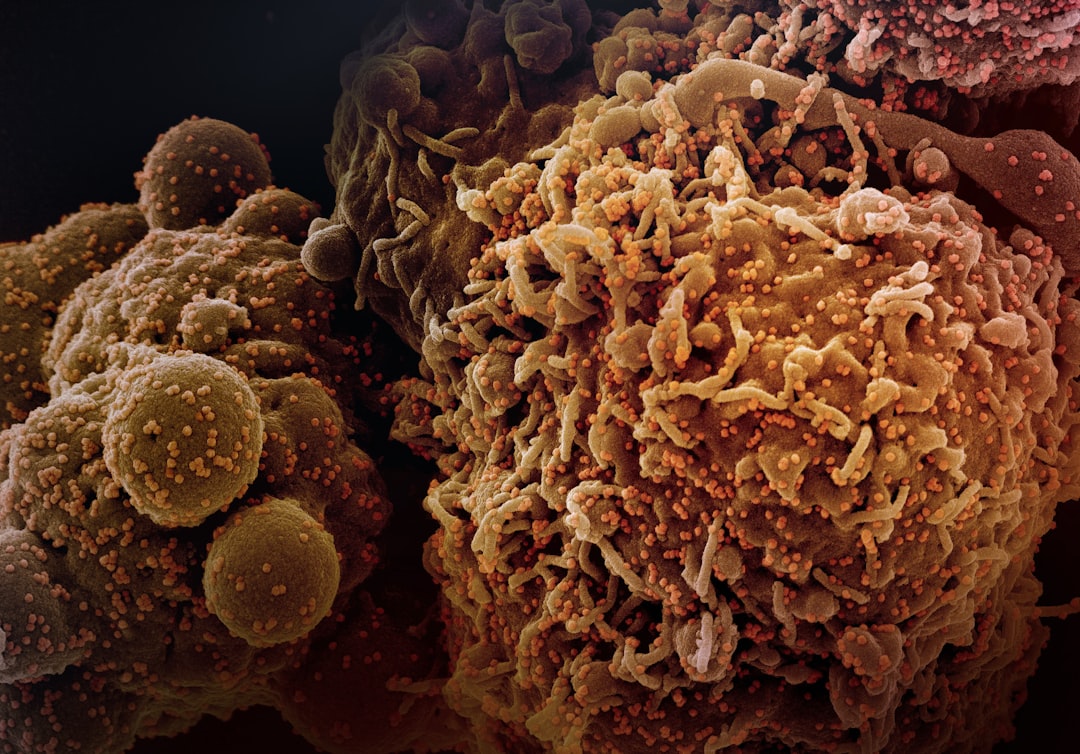 Image courtesy: Unsplash
Types of Cancer
Cancer is a broad term that encompasses over 100 different diseases, all characterized by the uncontrolled growth of abnormal cells. In the USA, UK, and Canada, several types of cancer are more prevalent due to various factors, including lifestyle and environment. The most common types include breast cancer, lung cancer, prostate cancer, and colorectal cancer. Each type affects the body differently and requires unique approaches in terms of prevention and treatment. Staying informed about the specific characteristics of each type can empower individuals to take proactive steps in early detection and treatment.
Common Symptoms
Detecting cancer early often makes it easier to treat. While symptoms can vary widely depending on the type of cancer, there are some common warning signs to be aware of. These include:
– Unexplained weight loss
– Persistent fatigue
– Changes in skin appearance
– Unusual lumps or swelling
– Persistent cough or difficulty breathing
– Changes in bowel or bladder habits
It’s crucial to remember that these symptoms can be related to other non-cancerous conditions as well. However, if you experience unexplained or persistent changes in your body, it’s vital to consult a healthcare professional.
Diagnosis and Staging
Related post>> Big Pharma vs. Nature: The 10 Home Remedies Challenging Traditional Cancer Care in 2026
When it comes to diagnosing cancer, early detection is key to the highest chances of successful treatment. Diagnostic methods include imaging tests like CT scans and MRIs, laboratory tests like blood tests, and biopsies where samples of tissue are examined under a microscope. Once cancer is diagnosed, staging determines the extent of cancer in the body. Staging is essential for developing an effective treatment plan and generally ranges from Stage 0, indicating cancer has not spread, to Stage IV, which signifies advanced cancer that has spread to other parts of the body.
Treatment Options
Depending on the type and stage of cancer, treatment plans can vary significantly. Here are some common methods:
Surgery
Surgery remains one of the most effective ways to combat cancer, particularly when the cancer is localized. In many cases, surgery involves removing the tumor and some surrounding tissue to ensure no cancer remains. Advances in surgical techniques now allow for less invasive procedures, leading to quicker recoveries and fewer complications. Following surgery, some patients may require additional treatments to ensure that all cancer cells are eliminated.
Radiation Therapy
Radiation therapy employs high-energy particles or waves, such as X-rays, to destroy or damage cancer cells. This method is often used in conjunction with surgery or chemotherapy for comprehensive treatment. Thanks to technological advancements, radiation can now be targeted more precisely, minimizing damage to surrounding healthy tissues and reducing side effects.
Chemotherapy
Often referred to as “chemo,” chemotherapy uses powerful drugs to target and kill cancer cells. It’s typically used for cancers that have spread or are not accessible by surgery. While effective, chemotherapy can have significant side effects, including nausea, hair loss, and fatigue, due to its impact on healthy cells. Patients and healthcare teams work closely to manage these side effects, ensuring that the patient’s quality of life remains as high as possible during treatment.
Exploring the right combination of treatments is crucial, so working closely with healthcare professionals is essential to craft the most effective plan tailored to individual needs.
Emotional and Psychological Support
Navigating the emotional rollercoaster of a cancer diagnosis can be just as challenging as dealing with the physical effects. It’s important to remember that emotional and psychological support is a critical component of cancer care, and there are several resources available to help you cope.
Counseling and Therapy
Talking it out with a professional can make a world of difference. Counseling and therapy offer a safe space to express your feelings, fears, and concerns without judgment. Licensed therapists are trained to help you process your emotions, develop coping strategies, and improve your overall mental health. Many cancer hospitals in the USA, UK, and Canada have dedicated counselors who specialize in working with cancer patients and their families. Don’t hesitate to reach out; sometimes, all we need is someone who understands.
Support Groups
Finding a community of individuals who are experiencing similar struggles can be incredibly empowering. Support groups provide a venue where you can share your experiences and hear others’ stories, offering both solace and insight. Whether in person or online, these communities can help you feel less isolated. They serve as a reminder that you’re not alone in this journey. Check with your local cancer center or organizations like the American Cancer Society for groups near you or online platforms that connect people across the globe.
Mindfulness and Meditation
Mindfulness and meditation are not just buzzwords; they are powerful tools for maintaining emotional balance. Practicing mindfulness helps you stay grounded in the present moment, reducing anxiety and stress. Meditation can offer moments of peace and clarity, helping you approach each day with a serene mindset. Apps like Calm or Headspace have guided sessions tailored for individuals facing health challenges. A few minutes daily can lead to a significant improvement in your mood and overall wellbeing.
Also Read>>10 Home Remedies People Believe Can Fight Cancer in 2025/2026 — What Experts Say
Lifestyle Changes and Diet
Beyond emotional support, making changes in your lifestyle and diet can have a substantial impact on health and energy levels. Here’s how you can make cancer management a little less daunting and a lot more nurturing.
Nutritional Considerations
Eating well is pivotal in supporting your body through cancer treatments. A balanced diet rich in fruits, vegetables, lean proteins, and whole grains can boost your immune system and energy levels. Consult with a registered dietitian who specializes in oncology nutrition to tailor a diet plan that fits your needs and preferences. Superfoods like berries, leafy greens, and nuts are not just delicious but packed with anti-inflammatory properties that are considered beneficial during treatment.
Exercise and Physical Activity
Staying active, even with a light 20-minute walk each day, can be surprisingly effective in improving your mood and stamina. Exercise helps in reducing fatigue, uplifting your spirit, and enhancing the overall quality of life. Always consult with your healthcare provider to find a safe and suitable exercise regimen that complements your treatment plan.
Sleep and Rest
Don’t underestimate the power of a good night’s sleep and adequate rest. Your body needs time to recover and heal. Aim for 7 to 9 hours of quality sleep per night and listen to your body’s cues. If you’re feeling tired, allow yourself to rest or take a short nap. Creating a calm and comfortable sleep environment, coupled with a relaxing bedtime routine, can significantly improve your sleep quality. Remember, rest is not just a luxury; it is a crucial aspect of your healing journey.
By incorporating these emotional supports and lifestyle changes, you empower yourself to face cancer with resilience and strength. Each step you take nourishes both body and mind, elevating your ability to live well and thrive even amidst the challenges.
Complementary and Alternative Therapies
When facing a cancer diagnosis, many people are eager to explore every possible avenue for help and relief. While conventional treatments like chemotherapy and radiation remain the backbone of cancer care, complementary and alternative therapies are making waves as supportive tactics. These natural remedies often focus on the body’s holistic healing. Here’s a deeper dive into a few therapeutic options capturing attention across the USA, UK, and Canada:
Herbal Supplements
Herbal supplements are a popular choice among those seeking natural support during cancer therapy. Many people turn to herbs like turmeric, green tea extract, and echinacea for their potential anti-inflammatory and immune-boosting properties. While you may come across countless stories lauding their miraculous benefits, it’s crucial to remember that not all herbs interact safely with cancer treatments.
Before starting any herbal regimen, it’s always a good idea to chat with your healthcare provider to ensure it’s the right choice for your individual health needs and won’t interfere with your traditional treatments.
Acupuncture
Acupuncture, an ancient practice hailing from traditional Chinese medicine, involves inserting tiny needles into specific points on the body. It’s quickly gaining popularity as a way to manage pain, reduce nausea, and combat the fatigue often associated with cancer treatment.
Many patients swear by acupuncture for providing a profound sense of relaxation and well-being. The World Health Organization even endorses acupuncture as a complementary treatment for cancer-related symptoms. If you’re considering acupuncture, look for a licensed practitioner with experience in treating cancer patients to ensure the best and safest results.
Yoga and Physical Therapy
The benefits of yoga and physical therapy for cancer patients are extensive. They promote overall physical strength, improve flexibility, and can significantly boost emotional well-being. Gentle yoga poses and stretches can alleviate stress and tension, both physically and mentally. Yoga classes tailored for cancer patients focus on breathing techniques, gentle movements, and mindfulness, which are all instrumental in helping one regain control and positivity.
Physical therapy, on the other hand, helps in recovering physical function-loss due to cancer treatment. Whether you’re dealing with post-surgery recovery or trying to regain stamina, physical therapists design personalized plans that cater to individual needs, promoting a safe path towards recovery.
Legal and Financial Considerations
 Image courtesy: Unsplash
Navigating a cancer diagnosis can feel overwhelming, and the legal and financial aspects only add to the stress. Here’s a guideline to help you manage your journey through health insurance, disability benefits, and financial aid, ensuring the support you need is within reach.
Health Insurance
Understanding your health insurance coverage is vital, as it can impact the quality of care you receive. Delve into the specifics of your policy, including what treatments are covered and any out-of-pocket costs. Some plans offer case managers to help with logistics and coordination, so take advantage of this support if available. Remember to ask about coverage for complementary treatments if that’s something you are considering.
Disability Benefits
If cancer treatments or the illness itself prevent you from working, you may be eligible for disability benefits. Both the US and the UK have government programs designed to provide financial support to those in need. In the USA, applying through Social Security for Disability Insurance (SSDI) or Supplemental Security Income (SSI) might be an option. In Canada, the Canada Pension Plan (CPP) offers similar assistance.
Related Topic>>
10 Home Remedies People Believe Can Fight Cancer in 2025/2026 — What Experts Say
10 Everyday Foods That Are Secretly Ruining Your Health (And What to Eat Instead)
Financial Assistance Programs
For cancer patients facing financial difficulties, a variety of assistance programs exist. Organizations like the American Cancer Society, Macmillan Cancer Support in the UK, and the Canadian Cancer Society provide resources and even financial aid to lessen the burden. Explore community-based services that might offer specific support, such as help with housing, transportation to treatment, or utility costs.
Navigating through the maze of financial decisions post-diagnosis can be daunting. Remember, it’s completely normal to seek help and surround yourself with resources and support systems designed to guide you through these challenging times.
Conclusion and Final Thoughts
Navigating a cancer diagnosis is undoubtedly daunting, but remember, you’re not alone in this journey. Exploring natural cancer-support remedies can complement traditional treatments and offer some comfort during challenging times. While these remedies aren’t a magical cure for cancer, they can help improve your quality of life, boost your immune system, and enhance your overall well-being. Always consult with healthcare professionals before integrating any new remedy into your routine. Stay informed, be proactive, and keep hope alive!
Be the first to get new scholarships, job updates, inspiring Fazza poems, lifestyle stories, and more — straight to your inbox.