

Introduction to Eating Healthy While Traveling
Traveling the world is a thrilling journey that offers new experiences and diverse flavors across global cuisines. However, maintaining a balance between indulgence and nutrition can be challenging. Eating healthy while traveling doesn’t mean you have to miss out on local delicacies. It simply requires a bit of planning and mindfulness. By adopting healthy eating strategies, you can enjoy the best of both worlds—savoring exotic foods while sustaining your health and energy for all your adventures.
Understanding Global Cuisines and Their Nutritional Aspects
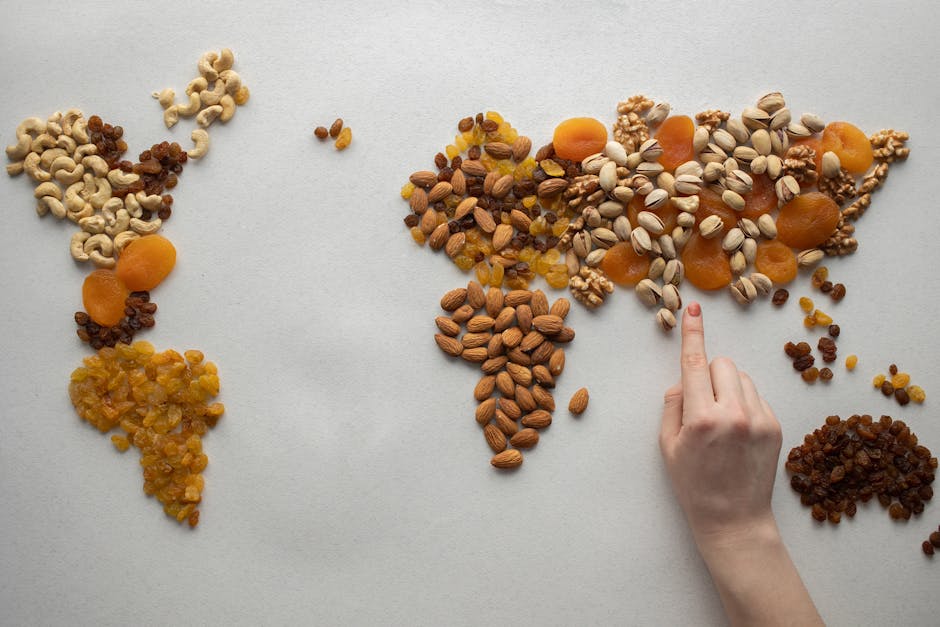 Image courtesy: Pexels
As globetrotters, sampling the diverse array of global cuisines is one of the most enjoyable parts of traveling. However, indulging in different foods without considering their nutritional value can sometimes lead to imbalanced diets and its associated health issues. To maintain a healthy diet while exploring the world, it is essential to understand the variety of nutritional components that different global cuisines offer.
Key Nutritional Differences Across Regions
Every region has its own culinary style that reflects its history, climate, and available resources, which all contribute to the nutritional profile of its cuisine.
– Asian Cuisine: Known for its use of rice, vegetables, and seafood, Asian cuisine is rich in fiber and low in saturated fats. Cultures like Japanese and Korean also emphasize fermented foods such as kimchi and miso, which promote gut health through probiotics.
– Mediterranean Cuisine: Famous for its heart-healthy profile, Mediterranean cuisine includes olive oil, nuts, seeds, fresh fruits, and vegetables. The inclusion of lean proteins such as fish makes it a diet that supports cardiovascular health and reduces the risk of chronic diseases.
– Middle Eastern Cuisine: Often characterized by aromatic spices and herbs, Middle Eastern cuisine features whole grains like bulgur and couscous, as well as legumes such as lentils and chickpeas. High in dietary fiber and plant-based proteins, this cuisine supports digestive health.
– Latin American Cuisine: Rich in color and flavor, Latin American cuisine features corn, beans, and a variety of fruits and vegetables. While some dishes can be deep-fried or high in sodium, many traditional recipes offer a balanced mix of proteins, fiber, and essential vitamins.
– African Cuisine: Diverse and vibrant, African cuisine includes staples like teff, millet, and sorghum, which are full of nutrients and gluten-free. Ingredients like sweet potatoes and plantains provide energy, while the inclusion of nuts and fish offers healthy fats and proteins.
ALSO READ>> Why Ultra-Processed Foods Are Quietly Ruining Your Health in the U.S. and UK
Healthy Options in Traditional Dishes
Regardless of where you travel, there are always ways to enjoy traditional dishes without compromising your health.
– In Italy: Opt for whole-grain pastas or risottos made with vegetable broths and olive oil instead of cream. Tomato-based sauces are also nutritious choices full of antioxidants.
– In India: Choose dishes cooked in tandoors or steamers. Meals eaten with whole-grain chapati or brown rice can be healthier alternatives to those with white rice or naan.
– In Thailand: Look for stir-fries that use fresh vegetables and lean proteins like tofu or chicken. Avoid heavily fried dishes, and limit coconut milk-based curries as they can be high in calories.
– In Mexico: Enjoy sauteed or grilled dishes such as fajitas and tacos with corn tortillas, loaded with fresh salsas and salads instead of cheese-laden options.
– In Greece: Seek out grilled meats like souvlaki and fresh salads topped with a simple drizzle of olive oil and a squeeze of lemon instead of creamy dressings.
Dietary Considerations When Exploring New Cuisines
When traveling, certain dietary considerations may warrant special attention, particularly if you have specific health conditions or follow a particular diet.
– Allergies: Always inquire about potential allergens in dishes, especially in countries where cross-contamination may occur. Learning basic food allergy terms in the local language can be helpful.
– Vegetarian and Vegan Diets: Many regions have a wide variety of plant-based options due to traditional fasting practices or historical reliance on agriculture. Research local vegetarian or vegan dishes, which can include everything from Asian tofu dishes to Middle Eastern falafel.
– Gluten-Free Diets: In places with cuisines rich in rice or other grains such as quinoa, millet, or corn, finding gluten-free options can be easier. Watch out for sauces and soups that may contain wheat-based thickeners.
– Low-Sodium and Low-Sugar Diets: Opt for dishes that are grilled or baked instead of fried, and request sauces on the side to control the intake. When it comes to beverages, choose water, unsweetened tea, or fresh juices over sugar-laden drinks.
Tips for Maintaining a Balanced Diet During Travel
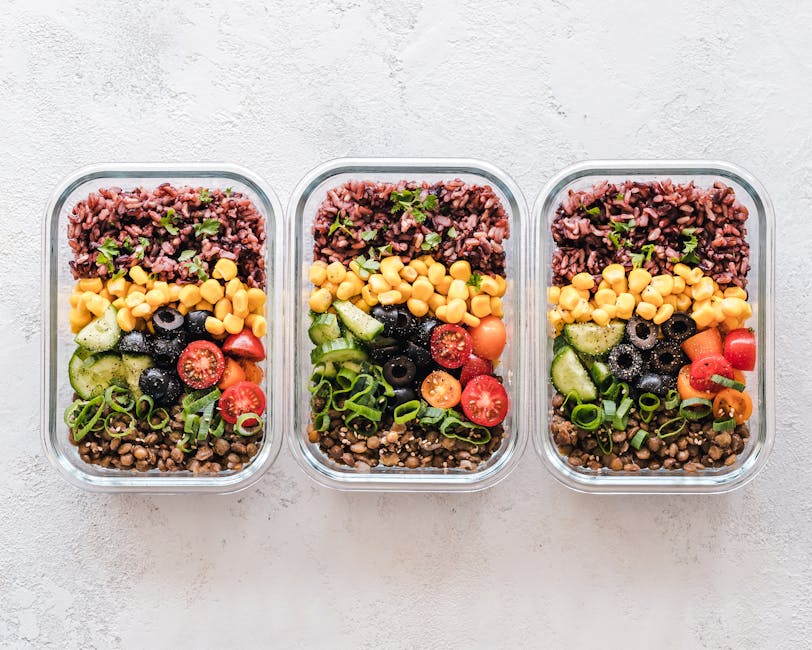 Image courtesy: Pexels
Traveling need not be a reason to let go of your healthy eating habits. With some organization and mindful choices, maintaining a balanced diet on the road is entirely achievable.
RELATED POST>> 10 Everyday Foods That Are Secretly Ruining Your Health (And What to Eat Instead)
Planning Meals and Snacks
Proper planning can go a long way in ensuring that you’re not only well-fed but also nourished by your food choices.
– Research Local Cuisines: Before your trip, research the local cuisine to identify dishes that suit your dietary needs. Look for restaurants that offer healthy options or those that cater to specific dietary requirements.
– Pack Healthy Snacks: Bring along travel-friendly snacks such as nuts, seeds, dried fruits, or energy bars. They can be handy during long transit times or if healthy options are scarce.
– Control Portions: When indulging in local delicacies, be mindful of portion sizes. Opt for sharing meals with fellow travelers to control your intake while still enjoying a variety of dishes.
– Schedule Regular Meals: Keeping a regular meal schedule can help regulate your energy levels and prevent overeating. Aim for balanced meals that include proteins, healthy fats, and whole grains.
Staying Hydrated and Choosing Beverages Wisely
Hydration is essential, especially when traveling, as it can influence your energy levels and overall health.
– Drink Water Frequently: Always carry a reusable water bottle and refill it regularly to stay hydrated. Watch for signs of dehydration, and make drinking water a priority, especially in hot climates.
– Be Cautious with Alcohol: Alcohol can lead to dehydration, especially when consumed in large quantities or in hot weather. Drink alcohol in moderation, and alternate alcoholic beverages with water to maintain hydration.
– Select Healthy Beverages: Opt for beverages like herbal teas, which can aid digestion, or freshly squeezed fruit juices (without added sugars) to enjoy a natural boost of vitamins.
Adapting Dietary Preferences and Restrictions on the Road
Adapting to new environments can pose a challenge for those with specific dietary preferences or restrictions, but flexibility and preparation can help smooth the transition.
– Communicate Your Needs: Don’t hesitate to communicate your dietary preferences or restrictions to restaurant staff. Many places are willing to accommodate special requests, especially if explained politely.
– Learn Basic Phrases: Knowing simple phrases in the local language related to your dietary needs can make communication easier and help you avoid unwanted ingredients.
– Prepare Your Own Meals: If your accommodation allows, consider preparing your own meals using local ingredients. Visiting local markets can be a fun way to explore culture and find fresh produce.
– Be Flexible: While it’s important to adhere to dietary needs, allowing some flexibility can open the door to new culinary experiences. Trust your judgment, but also be willing to try new things within the scope of what works for you.
By staying informed and making conscious choices, travelers can enjoy a world of flavors without compromising their nutritional needs. Whether navigating street food markets or dining in fine restaurants, approaching food with curiosity and respect for its origins brings enrichment to the travel experience. Ultimately, the key is to listen to your body, respect your health goals, and savor every bite of the journey.
TRENDIG NOW >> USA Job Grant Scandal 2025: Why Millions Are Missing Out on Visa Sponsorship Opportunities
Conclusion
Embarking on a journey around the world doesn’t mean you have to compromise on healthy eating. By planning ahead, making informed choices, and staying mindful of your nutritional needs, you can enjoy international cuisine while maintaining a balanced diet. Always carry healthy snacks for emergencies, stay hydrated, and embrace the local flavors through a mix of fresh vegetables and lean proteins. With these strategies, you can savor the rich tapestry of global cuisine and return home feeling rejuvenated and nourished. Happy travels and bon appétit!
Be the first to get new scholarships, job updates, inspiring Fazza poems, lifestyle stories, and more — straight to your inbox.