

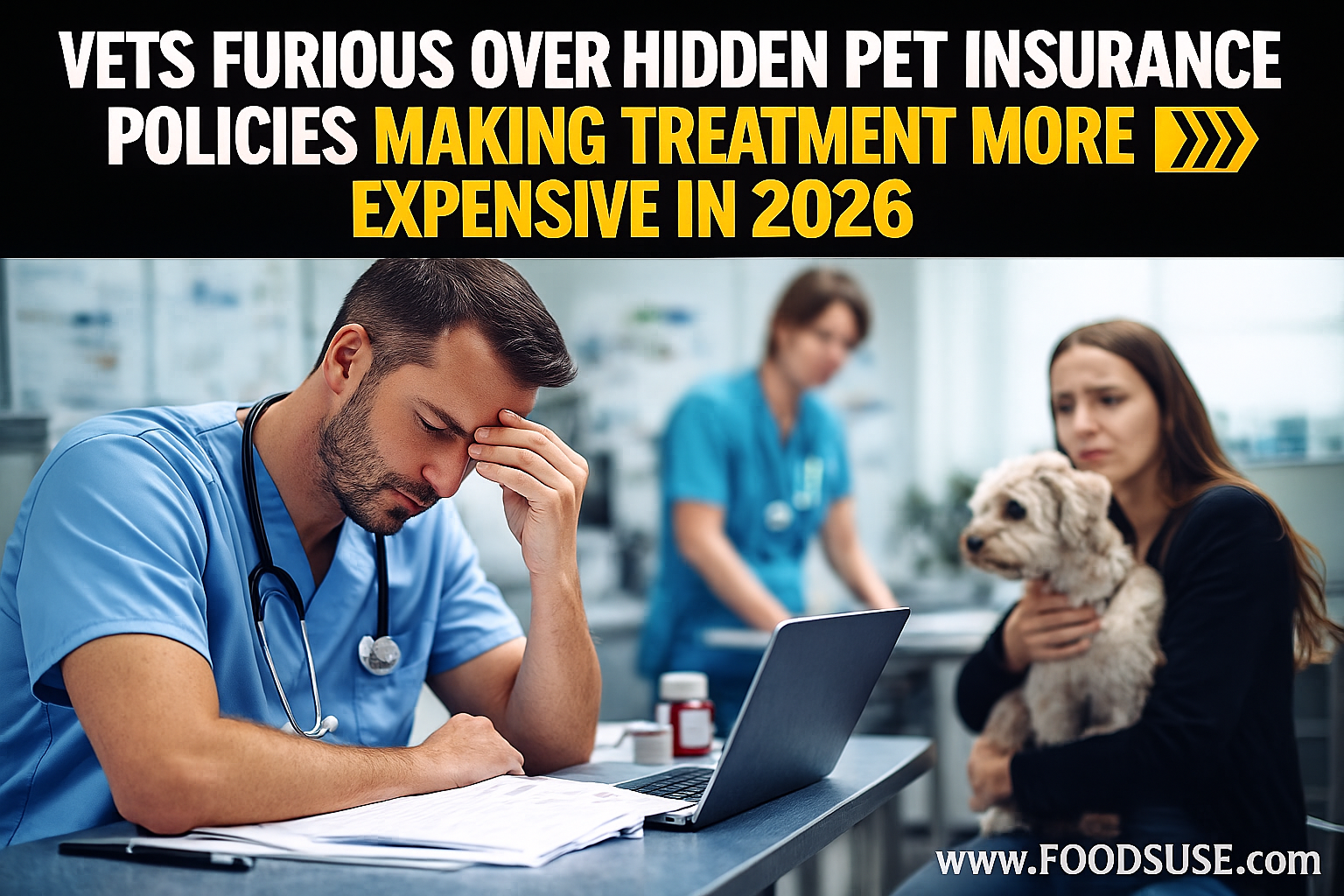
The pet insurance world is under fire in 2026 — not just from angry pet owners, but from veterinarians themselves. Across the U.S., UK, Canada, and Australia, thousands of vets are speaking out, claiming that pet insurance companies are secretly driving up treatment costs, restricting care options, and forcing clinics to follow complicated rules that put pets at risk.
What used to be a simple financial safety net for pet owners is now a massively profitable industry worth billions. But behind the glossy advertising and “affordable coverage” promises lies a growing conflict between vets and insurers — a conflict that is reshaping the pet healthcare system and increasing costs for millions of families.
2026 has become a turning point. Vets are furious, owners are confused, and insurance companies are scrambling to defend themselves. Let’s break down what’s happening.
Pet Insurance Was Supposed to Make Treatment Cheaper — So What Went Wrong?
When pet insurance first became popular, it was marketed as a simple solution:
-
Lower out-of-pocket expenses
-
Fast claim approvals
-
Peace of mind for emergency care
-
Financial protection for chronic illness
But veterinarians now say that insurers have quietly introduced hidden policies, complex rules, and restrictive reimbursement limits that force clinics to raise prices — and pet owners to pay more.
The result?
Treatments in 2026 are more expensive than ever — and vets say insurance companies are partly to blame.
Related Topic>> Pet Insurance Scam? Why 2026 Might Be the Year Owners Finally Fight Back
The Hidden Policies Vets Want Pet Owners to Know About
Veterinarians have revealed a series of internal insurance rules that the public rarely sees. These policies are not clearly stated in commercials or brochures, but they dramatically affect the cost of care.
1. Insurers Lower Reimbursement Rates Without Warning
Vets say that many insurance companies:
-
Reduce payout percentages
-
Change reimbursement tiers
-
Reclassify procedures
-
Lower the “usual and customary” fee limits
—all without notifying clinics or policyholders in advance.
This means vets often receive less money for the same procedure, forcing them to raise prices to cover costs.
2. Insurance Networks Are Limiting Pet Owners’ Choices
Just like human health insurance, pet insurance companies are quietly creating “preferred networks.”
What does that mean?
-
Owners may be forced to choose from a limited list of clinics.
-
Vets outside the network are reimbursed at lower rates.
-
Some treatments may not be covered at non-network clinics.
This restricts a pet owner’s freedom — and makes independent veterinary clinics struggle.
3. Mandatory Diagnostic Tests Increase Bills
Several major insurers now require expensive tests such as:
-
Full bloodwork
-
Advanced imaging (CT, MRI, Ultrasound)
-
Specialist referrals
-
Additional lab panels
—even when the vet believes the test is unnecessary.
Why?
Because insurers want extensive documentation to reduce claim disputes.
But this leads to higher vet bills, which owners end up paying upfront.
4. Delayed Claim Approvals Force Clinics to Raise Prices
Veterinarians say claims that once took 3–5 days now take 10–30 days.
Delayed reimbursements hurt clinics financially, especially small or rural practices. As a result, many clinics increase their prices to keep up with cash flow.
Vets say insurers are using delays to lower year-end payouts — at the expense of owners and clinics.
5. Breed-Based Coverage Reductions Hurt Clinics
Some insurance companies now classify certain breeds as “high-risk,” leading to:
-
Lower reimbursement rates
-
Required specialist consultations
-
Higher deductibles
-
Stricter claim reviews
Breeds affected include:
-
French bulldogs
-
German shepherds
-
Huskies
-
Golden retrievers
-
Persian cats
Vets say these breed restrictions complicate treatment and increase operational costs.
Also READ>>Cheap car Insurance, Risk and Profit
Foods and Nutrition for Travelers: Eating Healthy While Exploring the World
Why Veterinarians Are Angry in 2026
Veterinarians around the world are speaking out for several key reasons.
Reason #1: Pet Insurance Is Interfering With Medical Decisions
Vets claim insurers:
-
Question treatment plans
-
Push cheaper alternatives
-
Reject certain procedures
-
Demand follow-up tests
-
Deny claims based on subjective opinions
This affects how vets treat pets — and puts animals at risk.
Reason #2: Unpaid or Underpaid Claims Hurt Veterinary Clinics
Some insurance companies only reimburse a portion of the billed amount. Clinics must absorb the loss or pass it on to owners.
Reason #3: Insurers Pressure Vets to Use Corporate Partners
Large veterinary chains often have financial ties to insurance companies, creating unfair competition for independent vets.
Reason #4: Owners Blame Vets for Insurance Problems
Vets say they often become the target of owner frustration — even though the insurer is the cause of the problem.
How Insurance Companies Justify Their Hidden Policies
Insurance companies defend their actions by saying they must:
-
Keep premiums affordable
-
Prevent fraudulent claims
-
Standardize veterinary costs
-
Ensure consistent treatment quality
-
Manage rising medical inflation
They argue that without stricter rules, premiums would skyrocket even more.
However, vets believe these explanations hide a more uncomfortable truth:
Insurance companies want to increase profits, not improve healthcare.
How These Hidden Policies Make Treatment More Expensive
Here’s how real pet owners end up paying more in 2026:
1. Upfront Payments Are Higher
Because clinics wait longer for reimbursement — they raise costs.
2. More Diagnostic Tests = Bigger Bills
Insurer demands often add $300–$2,000 in testing costs.
3. Breed restrictions increase premiums
High-risk breeds automatically get:
-
Higher deductibles
-
Lower reimbursement
-
More claim rejections
4. Network restrictions lead to overcharging
Preferred clinics may charge inflated rates.
5. Deductible structures are confusing
Some policies reset deductibles per condition, not per year — leading to repeated charges.
Trending>>> Exposed: Who’s Really Getting the Mastercard Scholarship 2025 — Not What You’d Expect
Fully Funded Australia Awards Scholarships for Developing Countries (2025 Guide)
Veterinarians Are Organizing Against Insurance Companies
In 2026, vets have launched multiple campaigns:
1. Public awareness movements
Using TikTok, YouTube, and Instagram to expose unfair policies.
2. Pet insurance transparency petitions
Demanding clear pricing, predictable coverage, and honest marketing.
3. Veterinary association pressure
Organizations are pushing for government regulation.
4. Reports documenting unfair insurer behavior
Vets are publishing studies showing:
-
Misleading policy terms
-
Claim manipulation
-
Financial pressure on clinics
5. Legal action
Some vet groups are supporting lawsuits involving:
-
Unfair reimbursement
-
False advertising
-
Unregulated insurer influence
2026 is shaping up to be the biggest year of pushback in pet insurance history.
What Pet Owners Can Do to Avoid Getting Overcharged
Veterinarians recommend these steps:
1. Choose policies with clear reimbursement percentages
Avoid vague “up to” language.
2. Look for companies with strong veterinary relationships
Good insurers collaborate, not interfere.
3. Avoid ultra-cheap plans
They almost always include strict limits and exclusions.
4. Ask your vet which insurance companies cause the most problems
Vets know the real truth behind the scenes.
5. Review the policy every year
Insurance companies quietly update rules — usually not in your favor.
6. Document every visit and communication
It protects you if a claim is disputed.
7. Avoid policies with breed restrictions or network limitations
These are the biggest sources of unfair denials.
Will Pet Insurance Improve or Get Worse in 2027?
Veterinarians believe two possible futures are coming:
Option 1: Regulation forces transparency
Governments step in and require:
Predictable premiums
Clear coverage
Fast claim approvals
No anti-vet policies
Standard reimbursement rules
This would dramatically improve pet healthcare.
Option 2: Insurance companies tighten policies even more
If regulation does not happen, insurers may continue raising premiums and restricting care.
Vets warn that without change, pet insurance could become as complicated as human health insurance — and far less useful.
Conclusion: Why Vets Are Furious — And Why Pet Owners Should Care
2026 has exposed major cracks in the pet insurance industry. Vets are no longer staying silent. They are revealing hidden policies, exposing unfair rules, and fighting back against corporate practices that make treatment more expensive and stressful.
Pet insurance can still be a powerful tool — but only when companies operate honestly.
Until transparency improves, both veterinarians and pet owners must stay alert, ask the right questions, and push for real change.
Be the first to get new scholarships, job updates, inspiring Fazza poems, lifestyle stories, and more — straight to your inbox.